
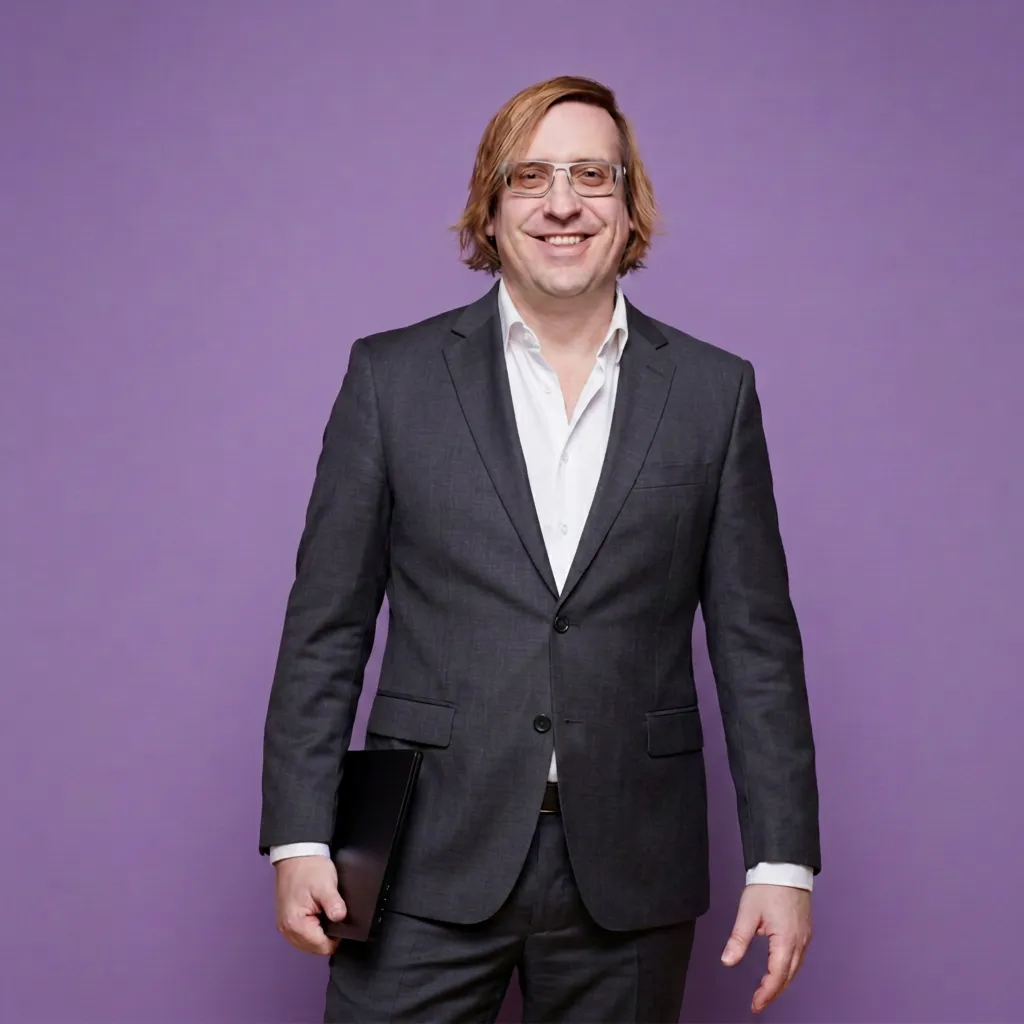
CEO, Co-Founder
Bob Krier
Bob drives Tresor’s business and partnerships. He’s spent his career helping ventures grow across Europe.
Connect on LinkedInAbout
A growing team of builders and experts with one shared conviction: powerful AI should become private, verifiable, and accountable to the people using it.
CEO, Co-Founder
Bob drives Tresor’s business and partnerships. He’s spent his career helping ventures grow across Europe.
Connect on LinkedIn
CTO, Co-Founder
Dylan leads engineering and product. Before Tresor, he built AI systems and created movies all over the world.
Connect on LinkedIn
Security Advisor
Davy brings practical security leadership as a former CISO and as founder and CEO of Brainframe.

Marketing Advisor & Sales
Kerstin helps shape Tresor’s go-to-market approach, turning a complex security product into clear conversations with customers and partners.

Architecture Specialist
Igor advises on architecture, helping Tresor build a technical foundation that stays secure, reliable, and practical to operate.

Chairman of the Board
Alfred brings decades of economic and institutional leadership, including 22 years at the European Investment Bank and advisory work for the IMF and European Commission.
Tresor is not a protest against AI. It is an argument for AI that preserves privacy, proof, and operational simplicity at the same time.
Vision
The point is not to make AI weaker. The point is to make it useful without turning every prompt, file, and draft into upstream visibility.
Mission
Tresor combines secure enclaves, customer-held keys, and reviewable controls with a product teams can actually adopt without running their own AI platform.
Operating posture
Built in Luxembourg under EU law, Tresor is designed for organizations that need privacy commitments backed by runtime controls and evidence, not just policy copy.
A handful of companies can now look inside more private conversations than anyone in history. Tresor is our answer: AI where nobody can look, because the hardware won't allow it.
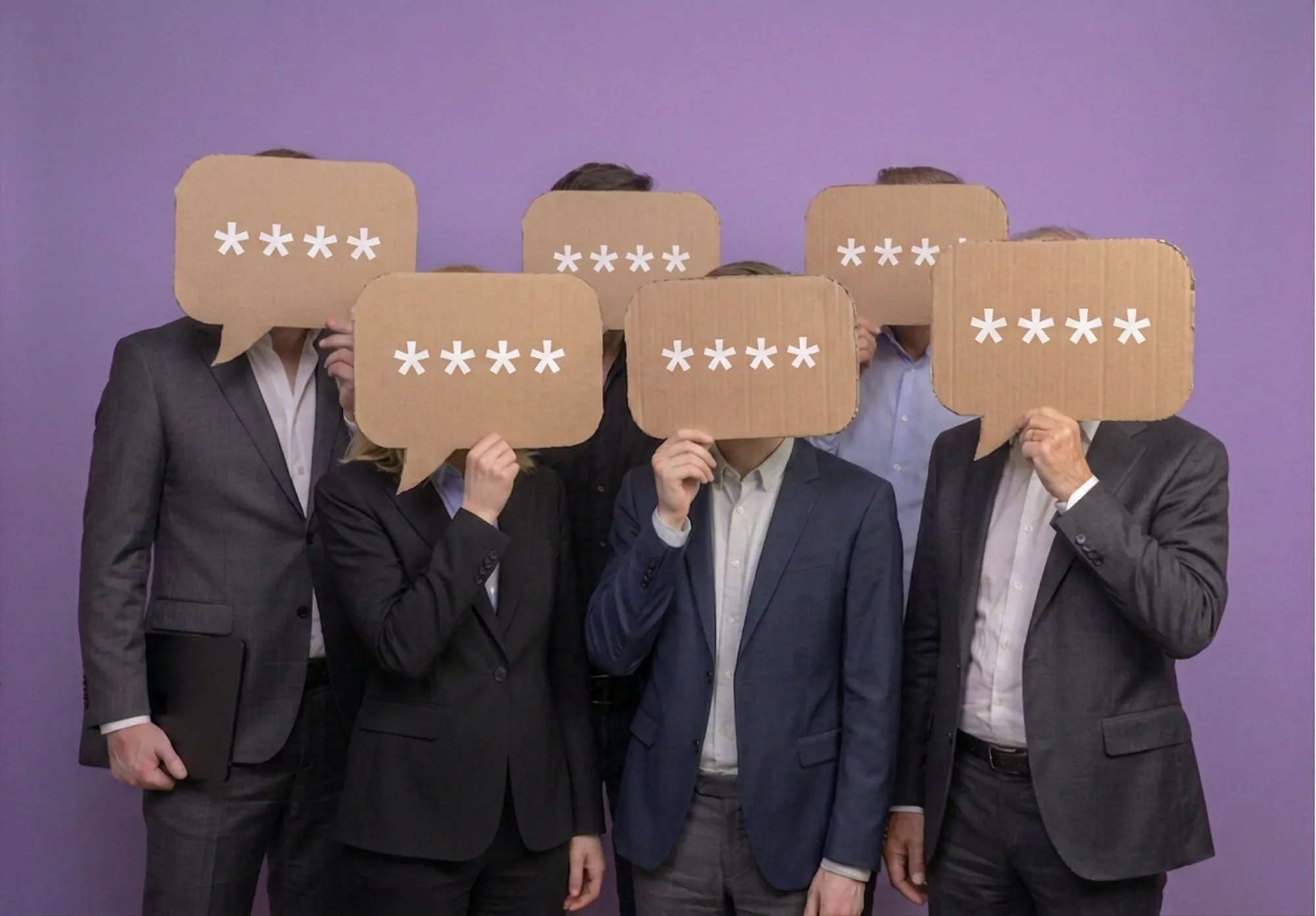
A therapist's notes from this morning's session. A lawyer testing a defence before it exists. A consultant's first read of a client's numbers. None of this was shared with an AI company. It was shared with one person, in confidence, often by someone who will never know an assistant was involved.
Every time that work goes into a public AI tool, the circle of people who can read it quietly grows. Not just the practitioner, but the provider, its staff, its contractors, and whoever they answer to next. A handful of companies end up holding the ability to look into an extraordinary number of private conversations at once. Whether they use it today is beside the point. The ability exists, it is concentrated, and it is protected only by a policy that can be rewritten.
We didn't think the people who never consented should have to hope. So we asked a narrower question: can you run frontier models somewhere nobody can look, including the people operating the service? It turns out you can. Hardware enclaves encrypt memory at the chip level, so cloud operators, administrators, and Tresor staff all see the same thing: ciphertext. Every response carries a signed receipt proving it ran where we say it did.
That's Tresor. A workspace and an API for the documents, conversations, and decisions that can't go near a public chatbot. Built in Luxembourg under EU law, by people who would rather show you the proof than ask for your trust.
We started Tresor because we caught ourselves hesitating before typing. Not just for our own sake, but for the people whose words were in the draft. We wanted an AI we could use without that hesitation, right here in Europe. That's what we built.
Explore our latest writing on zero-access infrastructure, AI governance, and what it takes to keep digital autonomy intact.

That reassuring sentence covers only one narrow risk. Learn what it ignores, including retention, human access, profiling, breaches, subpoenas, and tool-connected data leaks, and what questions to ask instead.

Many AI tools handling sensitive data rely on classic cloud security and contractual promises. Learn where this approach breaks down, how data can still leak, and why privacy-by-design architectures change the equation.
AI chat tools like ChatGPT and Claude can store and review your conversations. Learn how this works, the risks, and why privacy-first AI matters.